Running a construction business involves many moving parts, from managing teams and materials to keeping projects on schedule and within budget. Traditionally, this has required extensive paperwork, countless spreadsheets, and constant communication between project managers, contractors, and workers. However, with the rise of modern technology, construction companies now have tools that make project planning much simpler. One of the most effective tools is construction management software. This software helps businesses streamline operations, reduce errors, and save time, ultimately improving efficiency and project outcomes.
Understanding Construction Management Software
Construction management software is a digital platform designed to help construction businesses plan, organize, and manage their projects more effectively. It combines multiple aspects of project management, including scheduling, budgeting, resource allocation, and communication, into a single system. By providing a centralized hub for all project-related information, construction management software reduces the need for scattered spreadsheets, manual records, and constant phone calls. For businesses, this means having a clearer overview of each project and the ability to make informed decisions quickly.
Streamlining Project Scheduling
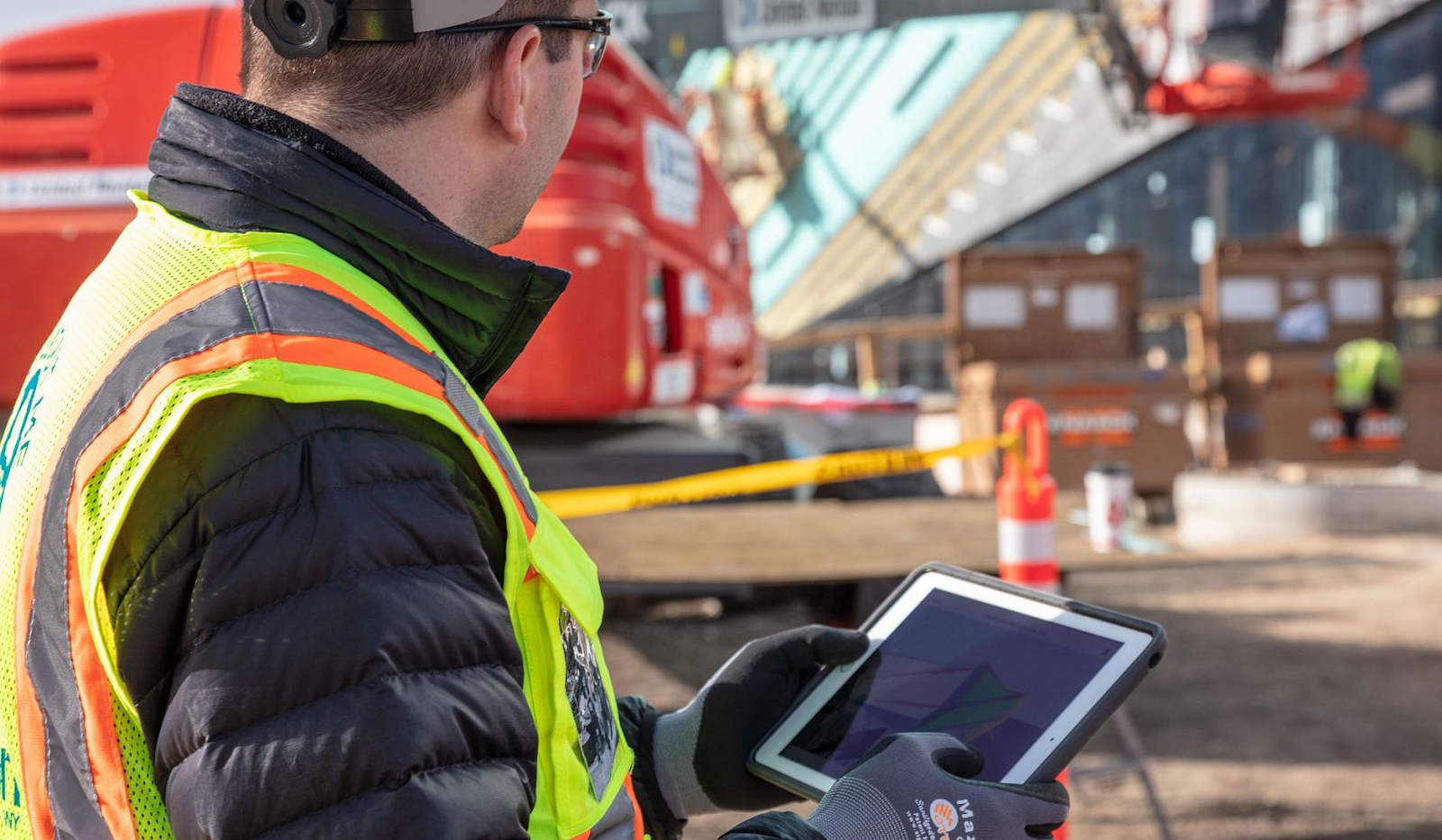
One of the most significant benefits of using construction management software is its ability to simplify project scheduling. Construction projects often involve multiple tasks that need to happen in a specific order, with different teams and contractors responsible for each part. Managing these schedules manually can be time-consuming and prone to mistakes. Construction management software allows project managers to create detailed timelines, assign tasks to the right teams, and monitor progress in real time. This ensures that all aspects of a project stay on track and reduces the risk of delays.
Improving Budget Management
Keeping construction projects within budget is a constant challenge for many businesses. Costs can quickly escalate due to unforeseen issues, material shortages, or labor changes. Construction management software helps by tracking expenses, managing bids, and generating accurate cost estimates. By having a clear picture of spending in real time, business owners and project managers can make adjustments before costs spiral out of control. This level of financial oversight is difficult to achieve without a centralized system and can be a game-changer for construction companies looking to maintain profitability.
Enhancing Team Collaboration
Effective communication is critical in construction projects, as multiple teams often work on different parts of a project simultaneously. Construction management software improves collaboration by providing a platform where team members can share updates, upload documents, and communicate directly within the system. Instead of relying on emails, phone calls, or physical meetings, everyone involved has access to the same information. This reduces misunderstandings, ensures that tasks are completed on time, and fosters a more efficient workflow across the project.
Managing Resources and Materials
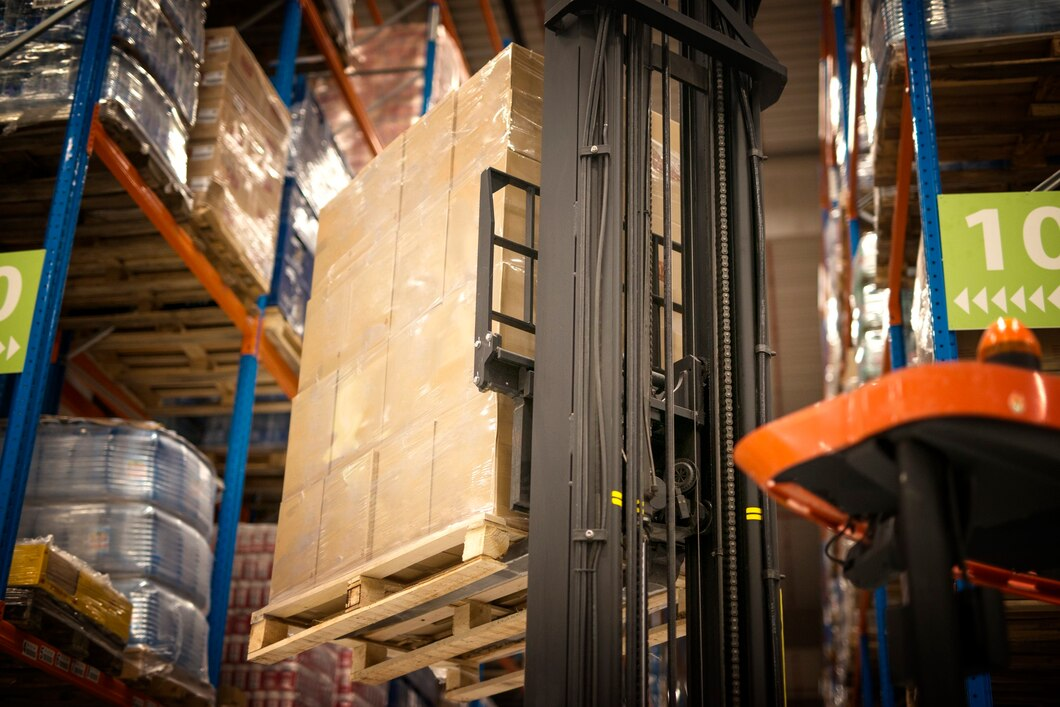
Resource management is another area where construction management software proves valuable. The software can track the availability of equipment, materials, and labor, ensuring that nothing is overbooked or underutilized. For example, if a project requires specific machinery or materials at certain stages, the system can alert managers in advance. This helps prevent delays and keeps the project running smoothly. Proper resource allocation also reduces waste and lowers costs, making the business more efficient overall.
Tracking Progress and Performance
Monitoring project progress is essential for ensuring that deadlines are met and quality standards are maintained. Construction management software provides tools for tracking milestones, completing inspections, and reporting on performance metrics. Managers can quickly see which tasks are ahead or behind schedule and make necessary adjustments. This visibility allows for better control of the project and helps identify potential issues before they become serious problems. By having a detailed record of progress, businesses can also evaluate performance and improve future project planning.
Conclusion
Construction management software is transforming how construction businesses plan and execute their projects. By simplifying scheduling, budgeting, collaboration, and resource management, it allows companies to operate more efficiently and make informed decisions with confidence. For any construction business looking to improve project outcomes, reduce errors, and save valuable time, investing in construction management software is a practical and strategic choice. With the right software in place, project planning becomes less stressful, more organized, and ultimately more successful.